Build With the End in Mind
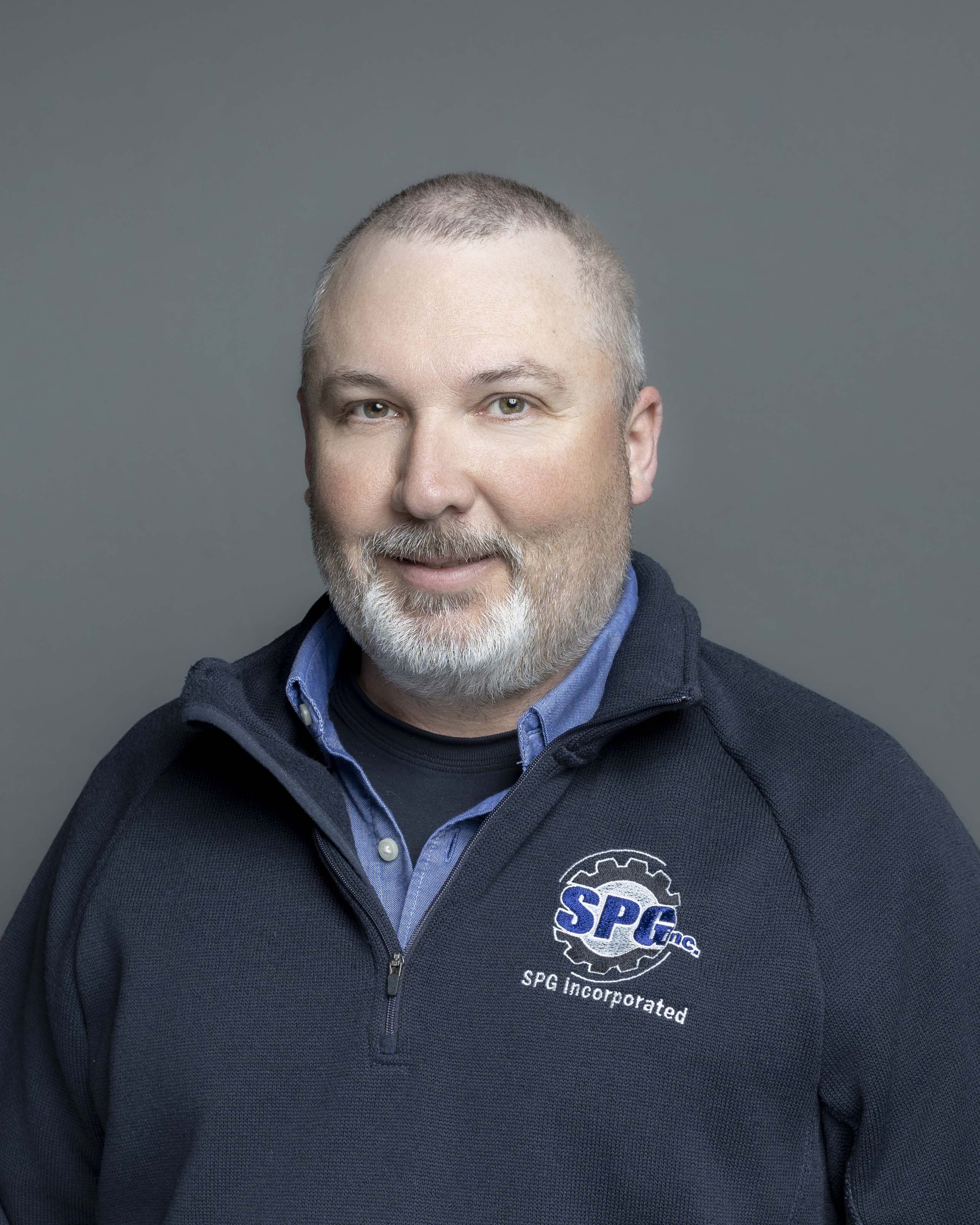

This is Part 5 of Building a SCIF That Performs, a six-part series by Danny Heck, Technical Director, Secure Solutions at SPG, Inc., on the difference between completing a SCIF and delivering one that performs as intended.
Build with the end in mind.
What if the first question wasn't, “How do we build this?” What if it was: “How does this need to perform when we're finished?”
Those may sound like similar questions. They're not. One focuses primarily on construction. The other focuses on the mission and the final outcome.
When the required performance is understood early, the way the entire project is approached can change.
Design decisions become more deliberate.
Trade coordination improves.
Substitutions receive greater scrutiny.
Potential conflicts are identified earlier.
Testing requirements can be considered before construction is complete.
And field teams have a clearer understanding of why certain details matter.
That last point is especially important. People tend to perform better when they understand not only what they are being asked to do, but why it matters to the finished system.
This is also where I believe we need to change how we think about final testing.
Testing shouldn't be the first time we discover whether the secure facility works. Ideally, testing should confirm what the project team has been working toward from the beginning.
Testing should be less of a final exam and more of a confirmation that the construction team successfully delivered the intended design and required performance.
That doesn't mean testing won't identify deficiencies. That's exactly why we test. But there is a big difference between using testing to identify an unexpected isolated issue and using testing to discover that fundamental assumptions made throughout construction were wrong.
This is where experience becomes valuable. Not because experienced secure-facility professionals possess some secret recipe for building a SCIF. It's because we've seen enough projects to recognize where seemingly small decisions can eventually create large problems.
Build with the end in mind. Understand the required outcome. Coordinate around that outcome. And verify that outcome when the work is complete.
So after five parts, what does all of this really come down to?
Previous in the series: Part 4 — The Best Time to Solve a SCIF Problem Is Before It Exists
Next in the series: Part 6 — Getting It Right the First Time
About the author: Danny Heck is the Technical Director for Secure Solutions at SPG, Inc., a veteran-owned firm that works across the full life of secure facilities design, preconstruction, construction, testing, and accreditation and teaches the standards behind that work.
Planning a secure facility? The best time to bring experienced secure-facility professionals into the conversation is early while the problems are still lines on a drawing. Contact SPG, Inc.
Building the expertise in-house? SPG, Inc. teaches courses on TEMPEST shielding and ICD 705. See available courses.
More lessons from the field: follow Danny Heck on LinkedIn.


Comments