Getting It Right the First Time
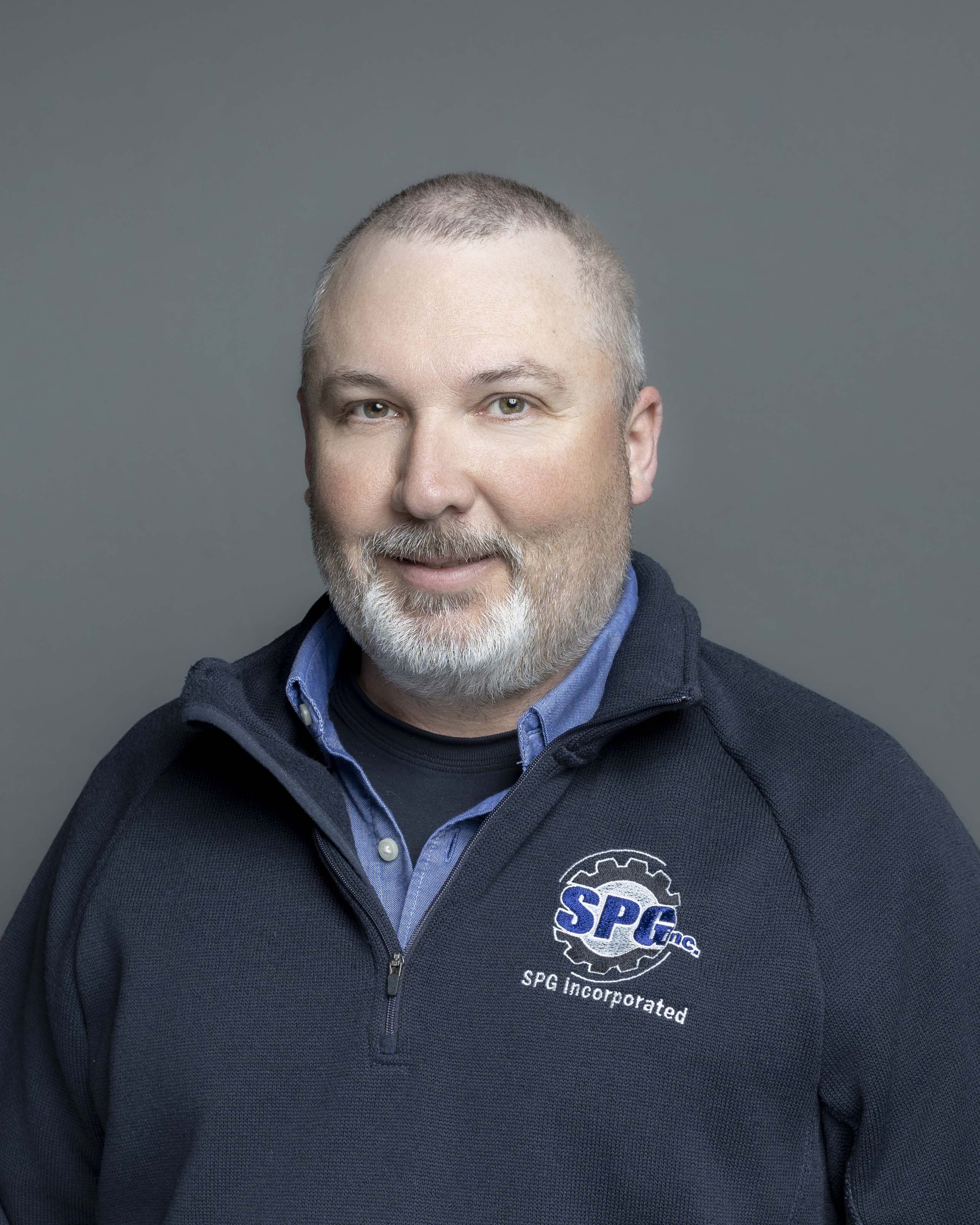

This is the final part of Building a SCIF That Performs, a six-part series by Danny Heck, Technical Director, Secure Solutions at SPG, Inc., on the difference between completing a SCIF and delivering one that performs as intended.
Getting a SCIF built is one thing. Getting it right the first time is another.
Over the last five posts, I've talked about something I believe is fundamental to successful secure construction:
A SCIF is not simply a collection of walls, doors, electrical systems, shielding materials, security devices, and individual construction scopes. It's a complete system.
We've talked about why the secure perimeter doesn't recognize contractual boundaries. Why compliance is essential, but installed performance ultimately matters. Why small decisions made during construction can create large problems later. Why involving the appropriate AO and CTTA early matters. And why testing should confirm performance not be the first time we start thinking about it.
When you put all of that together, one theme emerges:
Successful secure construction requires experience, coordination, communication, and a clear understanding of the final mission.
The best secure facilities I've encountered aren't necessarily the ones with the most complicated designs. They're the ones where the team understands what they're trying to accomplish, communicates early, respects the secure perimeter, involves the appropriate authorities, and builds with final performance in mind.
Because when the project is finished, the question isn't simply: “Did we build the SCIF?”
The more important question is: “Does it perform the way it was intended to perform?”
I'll close with a word about where this perspective comes from.
I'm the Technical Director for Secure Solutions at SPG, Inc. The reason I think about a SCIF as a system is that our work spans the whole life of one design, preconstruction, construction, testing, and accreditation and we teach the standards behind that work to the people who have to apply them. When you've followed a facility from the first coordination meeting through its final test, you stop seeing walls, doors, and scopes. You see one system that either performs or doesn't.
That is the thinking behind a motto we take seriously at SPG, Inc.:
“On budget. On schedule. The first time.”
If you're planning a new SCIF, renovating an existing secure facility, or trying to understand why an existing space isn't performing, the best time to bring experienced secure-facility professionals into the conversation is early while the problems are still lines on a drawing. Contact SPG, Inc.
If you'd rather build that understanding on your own team, SPG, Inc. teaches courses on TEMPEST shielding and ICD 705. See available courses.
And I'll keep posting lessons from the field on LinkedIn if this series was useful, follow along there.
Thank you for reading.
Because getting it built is one thing. Getting it right the first time is another.
Previous in the series: Part 5 — Build With the End in Mind
About the author: Danny Heck is the Technical Director for Secure Solutions at SPG, Inc., a veteran-owned firm that works across the full life of secure facilities design, preconstruction, construction, testing, and accreditation and teaches the standards behind that work.
Planning a secure facility? The best time to bring experienced secure-facility professionals into the conversation is early while the problems are still lines on a drawing. Contact SPG, Inc.
Building the expertise in-house? SPG, Inc. teaches courses on TEMPEST shielding and ICD 705. See available courses.
More lessons from the field: follow Danny Heck on LinkedIn.


Comments